
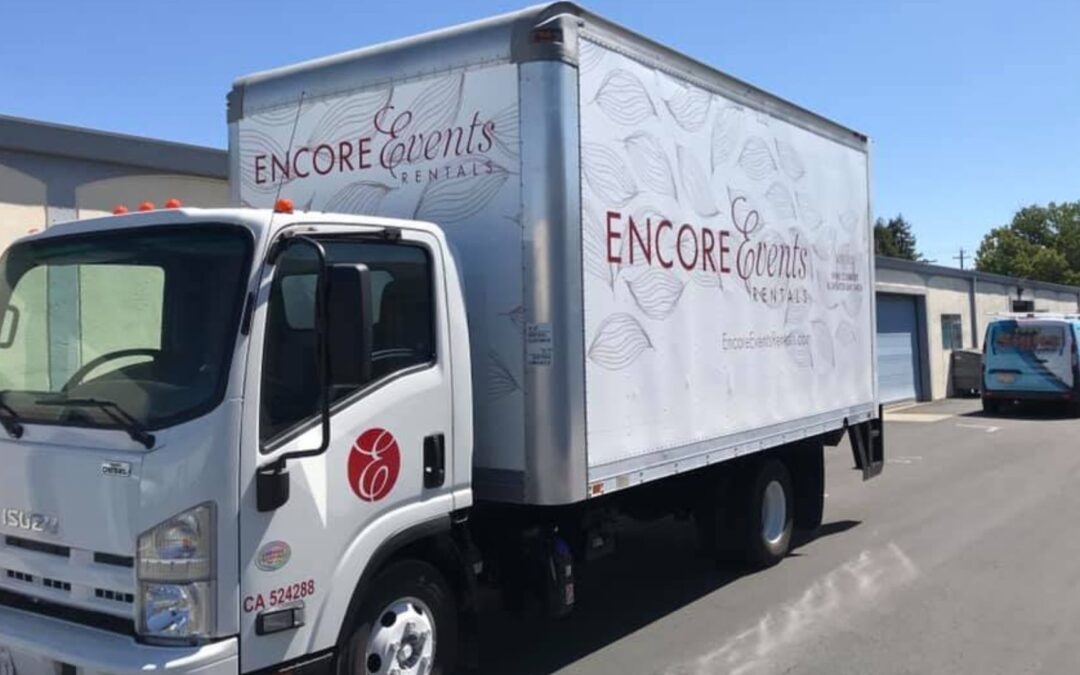
Seasonal marketing is where nimble brands win big. Holidays, local festivals, school calendars, tax season, each one creates a short window where people are unusually primed to notice and act. Your vehicles already go where the attention is. A smart, seasonal wrap strategy turns those everyday miles into limited-time billboards that look fresh, feel timely, and, most importantly, drive measurable business.
This isn’t about slapping pumpkins or snowflakes on a van. It’s about planning offers, designing swappable graphics, and wiring in simple tracking so you know exactly what worked and what didn’t. Below is a practical, story-driven playbook you can steal and use, whether you’re refreshing one work truck or orchestrating a full fleet.

Why seasonal wraps work (when they’re planned, not winged)
Seasonal wraps punch above their weight for three reasons:
- Urgency: “This month only,” “Ends January 15,” “3-Day Event”, time limits change behavior. People procrastinate less when there’s a visible deadline rolling down their street.
- Freshness: A vehicle you’ve seen a hundred times suddenly looks new, which buys you attention you don’t have to pay a media platform for.
- Proximity: Your vans show up at the very places where seasonal interest spikes, parades, farmer’s markets, school pickup lines, shopping districts. A timely message at the right curb is worth ten generic impressions somewhere else.
The trick is to plan what changes (CTA wording, promo, QR/NFC destination, accent color) and what stays (brand blocks, base color fields, logo placement). Do that, and you can swap into a new campaign in minutes, without a full rewrap or a day of downtime.
Start with a simple 12-month rhythm
Think of your year in eight to ten “moments” rather than 52 weeks. Here’s a North Bay–friendly starting point you can edit for your industry:
- January: New Year tune-ups, winter prep checks, gift-card redemptions.
- February: Valentine’s “Love your home/ride” offers; early tax-season lead-ins.
- March–April: Spring refresh, preseason service packages, outdoor kickoff.
- May–June: Graduation, summer installs, book-early incentives.
- July: Festivals and fairs, event-only bundles and pop-up offers.
- August–September: Back-to-school readiness, fall maintenance.
- October: Harvest/Halloween clearance or fall specials.
- November: Black Friday / Small Business Saturday / Cyber Monday.
- December: Year-end tune-ups, “wrap up the year” savings, gift cards.
You won’t run a massive promotion every month. That’s the point. Pick the moments that match your demand cycles and customer behavior, then plan two to four seasonal swaps you know you’ll execute beautifully.
Build your wrap to be modular (so swaps take minutes)
A wrap that’s easy to update is designed that way from day one. Aim for four modular zones:
- Rear CTA plate
A solid, high-contrast rectangle carrying one action: either a phone number or a short URL. Print it as a replaceable overlay so you can A/B-test color and copy (and use a campaign-specific tracking number when you want clean attribution). - Side promo window
A framed space for seasonal offers. This is where “Back-to-School HVAC Tune-Up $99” lives. Use low-tack, matched-laminate overlays that peel cleanly. - Curbside scannable
One spot, usually the passenger door, for a QR code or NFC tag. Label it clearly (“Scan for Today’s Deal” or “Tap to Book”). Don’t scatter codes. One per side is plenty. - Accent band
A thin header or footer stripe you can tint for mood, orange in October, green in December, without touching your brand spine.
With those pieces, a “new campaign” rarely means new panels. It means a 30-minute overlay swap and back on the road.

Timeline: Work backward from launch week
Seasonal success comes from small, on-time moves, not a heroic all-nighter. Here’s a realistic cadence for a Black Friday roll-out (adjust the lead times to your team and fleet size):
- 6 weeks out: Choose the offer, define success (calls, form fills, QR scans), and pick a single CTA (phone or short URL). Sketch copy options.
- 5 weeks: Approve proofs at real sizes (more on that in a moment). Confirm overlay dimensions and quantities (print a couple of spares).
- 4 weeks: Order materials; book install windows for low-usage times.
- 3 weeks: Set up tracking: a unique call number, a vanity URL with UTM tags, and a dynamic QR so you can edit destinations without reprinting.
- 2 weeks: Print overlays; test color on your actual vehicle in noon and dusk light.
- 1 week: Install on half the fleet (stagger refreshes). Snap “before” photos and brief your team on the talking points.
- Launch week: Install the rest; monitor results daily for the first few days.
- Week 2+: Review KPIs; change one variable at a time (plate color, headline verb, phone vs. URL) if needed.
This beats the “rush it to the printer on Wednesday” plan every time.
Keep design rules that actually sell (even when it’s festive)
“Seasonal” can’t be code for “hard to read.” The road still follows physics:
- One job per panel. The rear is for conversion (your single CTA). The curbside is for interaction (one benefit line + scannable). The street side is for recognition (brand + category).
- Size for distance. Your rear phone/URL should be 6–8 inches tall to read from two car lengths. Side headlines live around 4–6 inches.
- Contrast is non-negotiable. If your seasonal palette is all mid-tones, put text on a neutral CTA plate (white or charcoal) so it survives glare, rain, and dusk.
- Limit copy. Twelve words or fewer on side promos; three proof words or icons (max) on the rear.
- No QR on the driver side. People can’t safely scan from traffic. Keep scannables curbside or on the rear only for longer lights.
A festive accent is great. Legibility is priceless.
Make the offer irresistible and measurable
Good seasonal offers are concrete, time-boxed, and easy to redeem:
- Concrete: “$79 Winter Inspection” beats “Holiday Savings.”
- Time-boxed: Put the end date on the panel (“Ends Jan 15”).
- Easy: QR goes to a mobile-first page with one button—Book/Buy/Call.
- Measurable: Use a campaign-specific number or vanity URL slug (e.g., /winter79) so you can attribute revenue to the wrap, not a generic channel.
If phone calls convert best in your category, bias toward the phone CTA on the rear and use the QR as a support tool on the curbside door. If most customers book online, flip it.
Field-test before you sign off
Approving wraps indoors is the fastest way to get disappointed outdoors. Do four quick tests:
- 50-foot read: Print the rear CTA at full size on office paper, tape it to the van, step back 50 feet at noon and dusk. If it blurs, it’s not big enough.
- Glare check: Photograph the CTA at midday and under streetlights. If strokes “bloom,” switch to satin laminate or adjust plate contrast.
- Scan test: Try the QR in flat light and drizzle from 2–6 feet. If it fails, enlarge it and add quiet space.
- Seam map: Tape the door gaps and curves on the actual vehicle. Make sure no thin strokes or numbers cross those zones.
If it passes those, it will read in the wild.

How to measure success (and make the next campaign better)
You don’t need a data science team—just a few tools and a weekly habit.
- Calls: Unique number on the rear → basic call-tracking (volumes, answer rates, duration).
- Web: Vanity URL with UTM (e.g., source=wrap&campaign=BF2025) → Google Analytics.
- Scans/Taps: Dynamic QR + NFC platform → scans by day and completion rates.
- Conversion: Landing page submissions, booked jobs, revenue.
Look at the numbers every week and change one thing at a time: plate color, verb choice, phone vs. URL. Keep the winners, retire the rest. Over a year, these tiny tweaks add up to big gains.
Fleet tactic: Keep something “new” on the road
Instead of swapping every vehicle at once, stagger installs:
- Week 1: Update half the fleet.
- Week 3: Install the winning CTA on the remaining vehicles based on early data.
- Week 5: Optional micro-test, two vans get a different plate color to validate the champion.
There’s always fresh creative out there, and you’re always learning.
A real-world snapshot: The 22% lift
A Santa Rosa service company wanted fall leads without a full rewrap. We kept their brand blocks and introduced modular pieces:
- Rear CTA plate in gold on charcoal with a tracked number.
- Curbside promo window, “Furnace Tune-Up $99 (Ends Nov 15)”, and a dynamic QR to a short booking form.
- Two vans tested a red plate; two tested gold.
Six weeks later, gold outperformed red by ~14% more calls and ~11% more scans. Overall, seasonal wrap–driven leads rose ~22% versus the prior fall, no downtime, no new base wrap, just smart overlays and a weekly review.
Operations: The unsexy stuff that makes this easy
- Install windows: Book swaps during low-utilization hours; a clean overlay change is often 20–40 minutes per vehicle.
- Spare kits: Print two extra overlay sets per fleet—damage happens, opportunity knocks.
- Storage: Keep overlays flat, cool, and dust-free; match film + laminate so removals stay clean.
- Care: Hand-wash is best; avoid high-pressure wands on overlay edges. After storms, do a quick edge check.
These habits turn a seasonal idea into a reliable engine.
Your seasonal wrap checklist
- Choose one timely offer and one CTA (phone or short URL)
- Build a modular base: rear CTA plate, side promo window, curbside scannable, accent band
- Size for distance: rear digits/URL 6–8″; side headline 4–6″
- Protect legibility: high contrast, solid plate behind text, satin finish if glare is common
- Wire in tracking: unique phone, vanity URL + UTM, dynamic QR/NFC
- Stagger the fleet; review KPIs weekly; change one variable at a time
- Archive the winners so next season starts smarter
Tape that list to a wall. Run it every time. You’ll feel the difference within a month.
Ready to put a seasonal plan on the road?
Bring your promo calendar and a photo of your vehicle. We’ll design a modular wrap system, CTA plates, promo windows, and scannable zones, that flips with the seasons in minutes (not days), and we’ll wire in simple tracking so you can see exactly what works.
TNT Signs and Graphics
📍 1042 Hopper Avenue 3-F, Santa Rosa, CA 95403
📞 (707) 528-8523
🌐 www.signservant.com
Make this the year your seasonal marketing doesn’t just look festive, it measurably fills the calendar.